
True startup people are one of the most important advantages that many tech companies have. Startup people are aggressive, entrepreneurial, and often bring a dynamism that allows them to cut through significant roadblocks. When there’s a large platform shift (e.g. the AI wave that is currently occurring), they’re often literally the only people at your organization that can help you transition into the new world. There is a reason that many sharp investors strongly prefer to bet on founder-led companies and their startup-oriented teams, particularly during times of extreme change.
But if you’re going to make the most of startup people you need to know how to work with them. And if you want to work with startup people, you need to know how to manage their tendencies – including one of their most distinctive traits, which I call high amplitude disagreeableness.
High Amplitude Disagreeableness
Disagreeableness is kind of like a sound wave. Waves have properties of:
- Frequency: In this case, how often someone is disagreeable
- Amplitude: When they actually disagree with something, how intense is the dispute? Do they let things go, or are they righteously upset, insistent, and willing to go all out to make sure that their opinion is followed (or at least fully considered)?
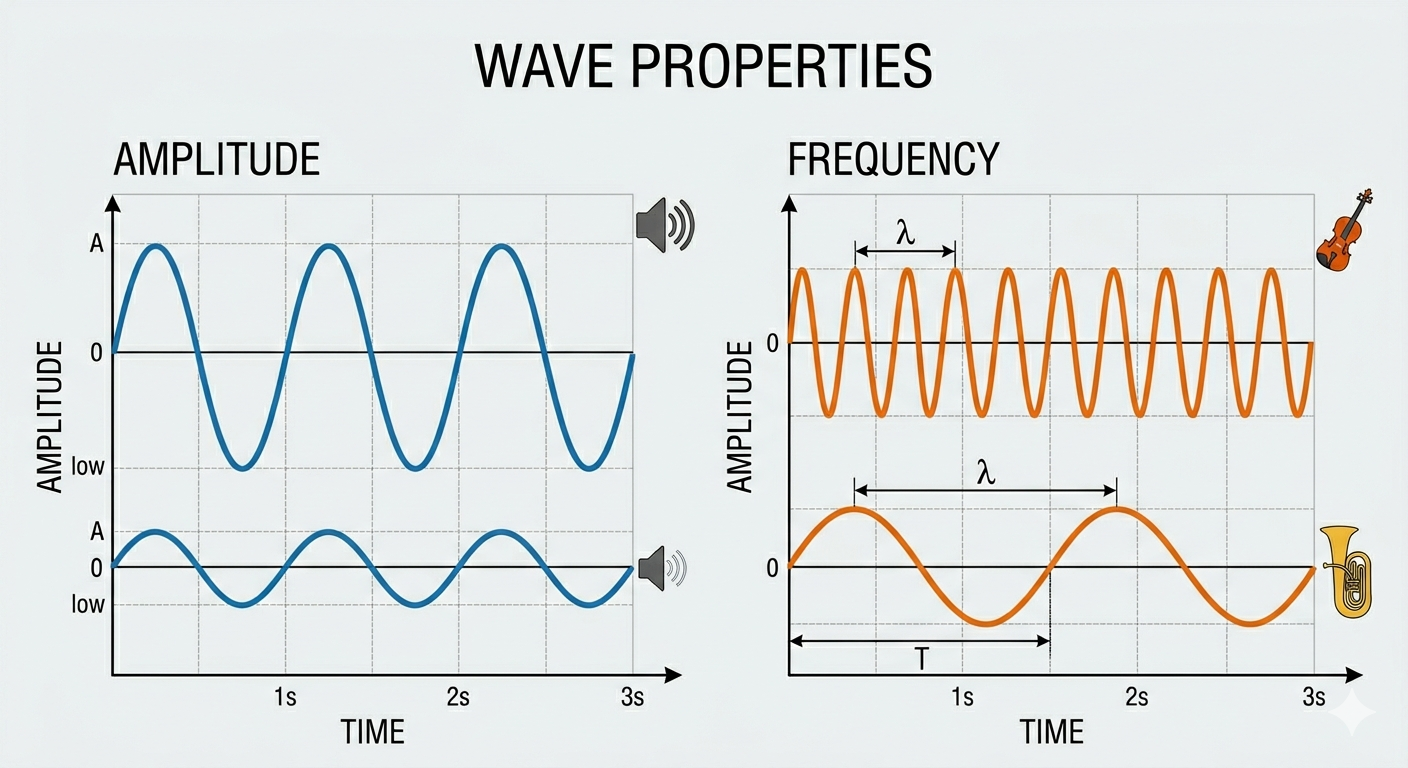 Amplitude vs. Frequency
Some people are basically argumentative and combative all the time: high frequency. Others are actually very genial and (usually) conflict-avoidant: low frequency. That’s just human nature.
But all startup people share an ability to reach an extremely high amplitude of disagreeableness – if you’re really wrong, they will fucking nuke you from orbit, and they are willing to get in front of the entire company and call you an idiot because it doesn’t bother them one bit if there’s an audience when they push the big red button. One of the defining traits of a startup person is their willingness to disagree publicly, even with senior people, and to remain insistent over a long period of time – for example, fighting to change a bad process or build the right product even if it takes years. When you see a mid-level person politely but firmly disagree with some member of the C-suite in front of a hundred people, you’re seeing the startup spirit at work.
What To Do
This pattern of high amplitude disagreeableness among startup people is essentially universal in my experience. As a result, if you want to tap the intensity of an entrepreneurial team, you will need to contend with (or harness) this pattern of behavior. There are a few management implications if you want to attract, retain, or deploy entrepreneurial talent.
First off – what creates this trait? Startup people tend to view their jobs in terms of creation instead of the more typical approach of viewing your job as extraction. If you’re just trying to extract value from a company, it’s really important that people don’t dislike you – and disagreeing vehemently is a pretty quick way to be disliked.
What this means is that if you never seriously disagree with people, even when it’s warranted, startup people won’t respect you. Your inability to reach a high amplitude of disagreeableness is actually an indicator that you aren’t a part of the tribe: You’re an extractor not a creator. They are people who are willing to fight for what they believe in with righteous anger; if you aren’t the same, they’ll think that you’re weak at best or lack integrity at worst. Startup people will quit working for these sorts of managers.
Additionally, you can disagree very strongly with startup people, even in public, and they’re surprisingly likely to just brush it off. Big-company corporate types hate getting pushback – it challenges their authority, and the perception of authority is how you climb the corporate ladder. High amplitude disagreement destabilizes existing power structures because it levels the playing field – it lets people step out of their lane to make change as long as they have enough conviction. Startup types don’t exactly like being challenged, but they recognize it as necessary at times, and a sign that someone actually cares. You can often recognize a healthy entrepreneurial culture because it accepts people being highly disagreeable (within reason) without permanently branding them as a troublemaker.
You also need to have a culture where strong disagreement doesn’t lead to punishment or ostracism. This can be surprisingly challenging. If you manage entrepreneurial startup types, you will find yourself explaining, defending, or occasionally apologizing for the fact that they very intensely disagreed with someone else surprisingly often. It’s essential that you create a culture that can accommodate the fact that there are going to be some intense arguments, while also making sure that your workplace stays professional and pleasant.
Finally, startup people really tend to hold grudges if you’re confidently wrong. At the root of high amplitude disagreeableness is a belief that the truth is knowable and that it matters, deeply. Startup people are running software where their conviction meter maxes out at a much higher level. This means that if you’re wrong in big ways, and you don’t correct it, startup people are guaranteed to remember and hold it against you since they believe that the difference between right and wrong really matters. Corporate types might hold their noses and put up with outright incorrectness, but startup people won’t. If you want to lose the startup people on your team, the most reliable way is to be confidently wrong.